

Refurbished vs Used vs New – What's the Difference?
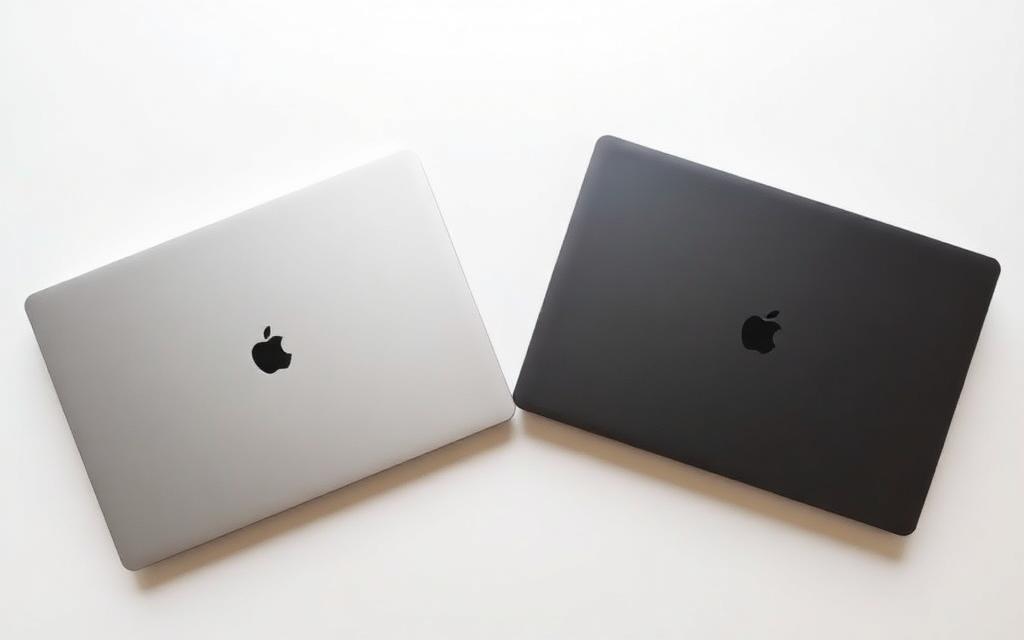
Refurbished, used and new are three genuinely different purchases. Here is what separates them on testing, warranty, price and risk — including when new is still worth it.
"Second-hand" is used loosely in India, which is why buyers get burned. A used laptop, a refurbished laptop and a new laptop are three different products with three different risk profiles. Understanding the difference is the single most valuable thing you can do before spending money.
What each term actually means
New means factory-sealed, with the manufacturer's full warranty and the current price. Used means sold as-is by a previous owner or a reseller: no testing standard, no data wipe guarantee, usually no warranty, and no recourse if the battery dies in a month. Refurbished sits between the two, but only when a real process is attached — inspection, part replacement where needed, secure data erasure, a clean operating system, cosmetic grading, and a written warranty.
That last point matters: "refurbished" is a claim, not a certification. Ask what the process contains. Ours is a 50+ point quality check covering display, keyboard, trackpad, hinges, ports, wireless, audio, camera, thermals under load, storage health and battery capacity, with data wiped to the DoD 5220.22-M standard. If a seller cannot describe their checks in that detail, you are buying used at a refurbished price.
Side-by-side on the things that cost you money
| Factor | New | Refurbished (done properly) | Used |
|---|---|---|---|
| Price vs launch | Full price | Substantially lower | Lowest |
| Functional testing | Factory QC | Documented multi-point inspection | None |
| Warranty | Manufacturer, 1 year or more | Seller-backed (6 months at NewAgain, extendable) | Usually none |
| Return window | Retailer policy | 7 days at NewAgain | Rarely offered |
| Data safety of previous owner's disk | Not applicable | Certified wipe + clean OS | Unknown |
| Cosmetic condition | Pristine | Graded A+ to C, disclosed | Unclear |
| Spare parts availability | Excellent | Good for corporate lines | Model-dependent |
Where refurbished wins
The strongest case is corporate-grade hardware. Business laptops are engineered for three-year service contracts, with reinforced chassis, spill-resistant keyboards, TPM security chips and replaceable parts. When those machines come off lease, they are usually two to four years old, mechanically sound, and priced far below their original value. A refurbished Latitude, EliteBook or ThinkPad often outlasts a brand-new consumer laptop bought for the same money — which is why our refurbished business laptops are the most requested category we stock.
For a business, the arithmetic gets better still: a GST invoice allows input tax credit of up to 18%, and equipping a team from the same refreshed model pool keeps support and spares simple. Our business desk handles that kind of fleet order.
Where used can make sense
Buying used is defensible in two situations: you can physically inspect and test the machine yourself, or the price is low enough that a total failure would not hurt. It is a bad idea for a primary work machine, for anyone who cannot diagnose hardware, and for any business that needs an invoice and a support path.
When you should still buy new
We will say it plainly, because pretending otherwise would be dishonest: buy new if you need the very latest processor or GPU generation for professional workloads, if you require multi-year onsite manufacturer support, or if a tender or company policy mandates new equipment with a specific warranty term. Refurbished is a value and sustainability decision, not a universal answer.
How to compare like-for-like
Do not compare a new entry-level consumer laptop against a refurbished business laptop on price alone. Compare them on processor generation, RAM, storage type, build quality, keyboard, screen quality and warranty. Once you list those side by side, the refurbished business machine usually wins on everything except warranty length — and a 6-month hardware warranty with an optional paid 12-month extension closes most of that gap.
The short answer
Buy new when you need the newest silicon or a long manufacturer contract. Buy refurbished when you want business-grade hardware, documented testing and a warranty at a much lower price. Buy used only when you can test it yourself and can afford to lose it.
If refurbished sounds right, read how to choose the right refurbished laptop next, or browse current refurbished laptop stock — every unit ships with a GST invoice, insured PAN-India delivery and a 7-day return window.